

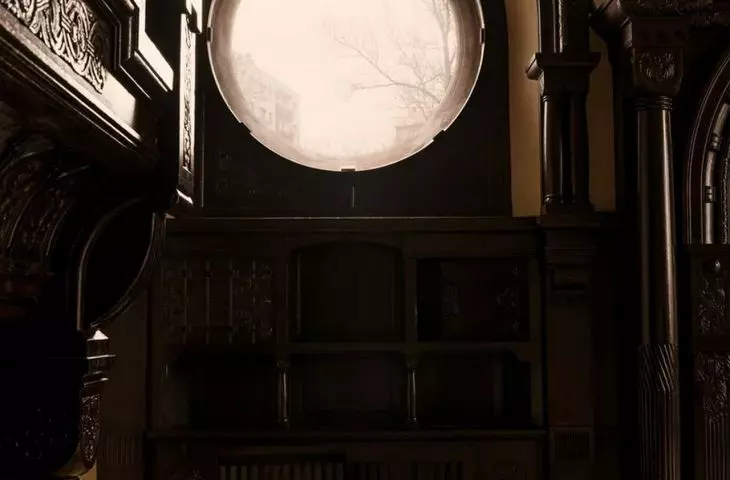
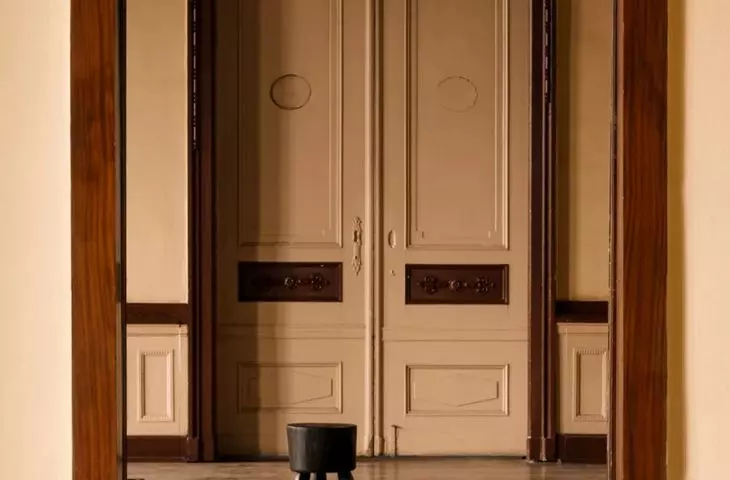
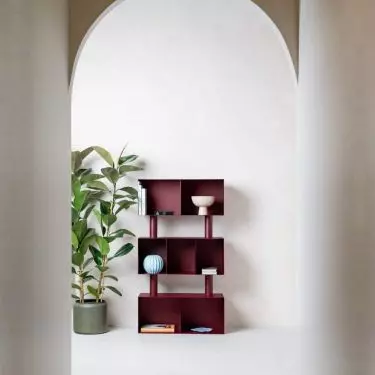
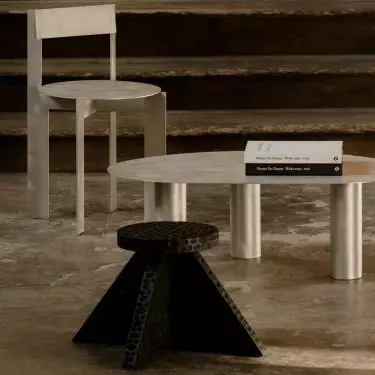
For years,steel has been associated primarily with cool, industrial interiors, but today it is increasingly appearing in a completely different light. It can remain raw and industrial, but it can just as easily take on an elegant, minimalist, or entirely decorative form. It’s increasingly moving beyond its structural role and appearing in furniture and accessories that take center stage in interior design. That’s why, this time, instead of focusing on a single way to use metal, we’re taking a look at its many facets. Check out our selection of steel furniture and accessories and see just how many faces this material can have.
shelving units, cabinets, and sculptural details
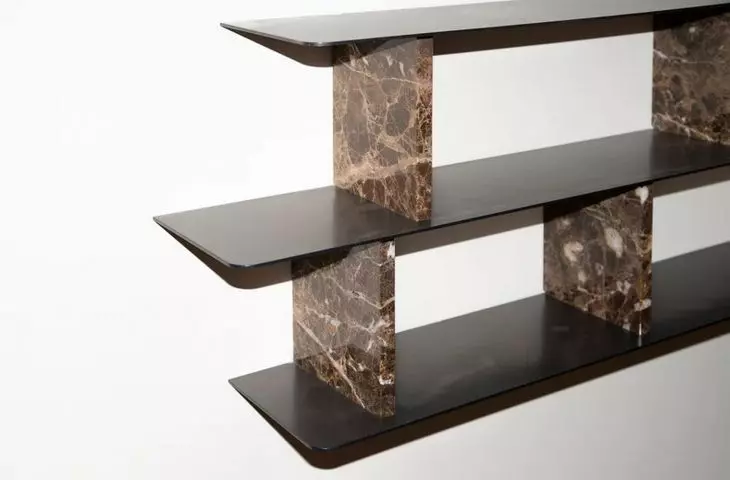
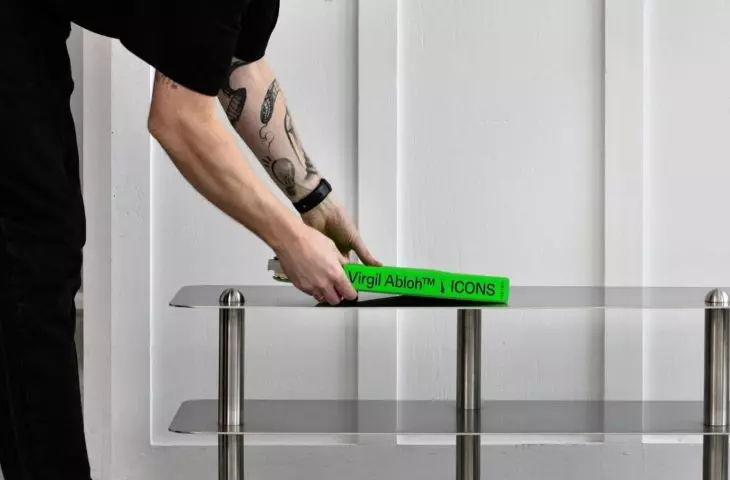
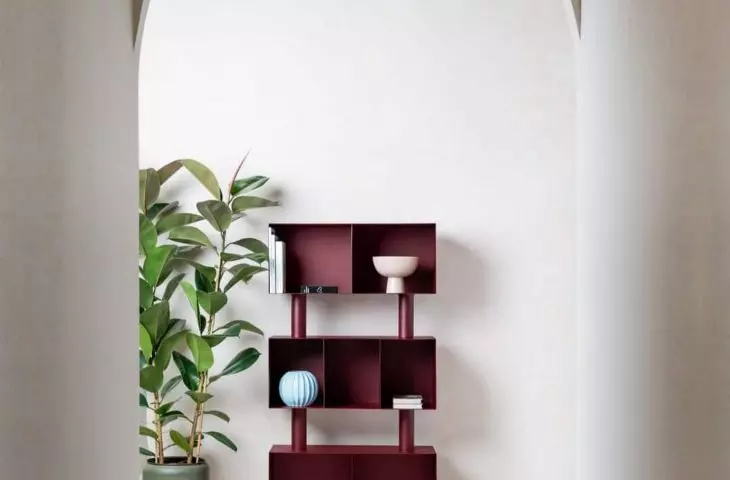
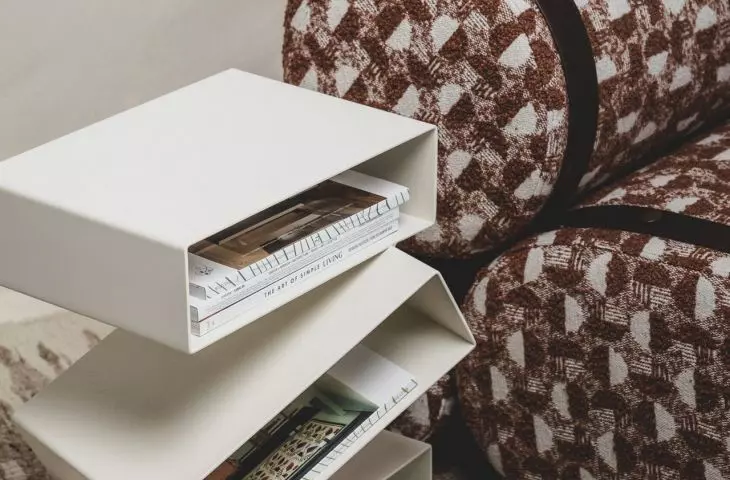
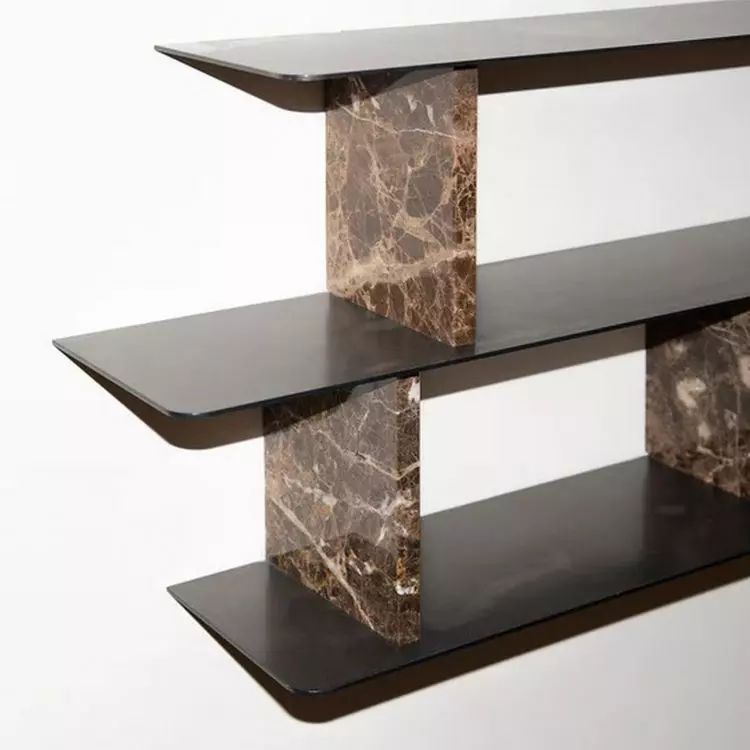
Steel can be not only a structural element but also the star of a piece of furniture. Shelving units, console tables, and cabinets made of metal can take on a wide variety of forms, allowing steel to fit seamlessly into both raw, minimalist interiors and arrangements where it serves as a decorative accent. One of its major advantages is the ability to create very thin structures. Slender profiles and delicate lines allow for the creation of visually lightweight furniture that doesn’t overwhelm the space, while at the same time adding a distinctive, graphic detail. This is particularly evident in steel shelving units, whose structure can almost disappear into the background of the interior, leaving the items they display in the foreground—or, conversely, stand out individually from the background.
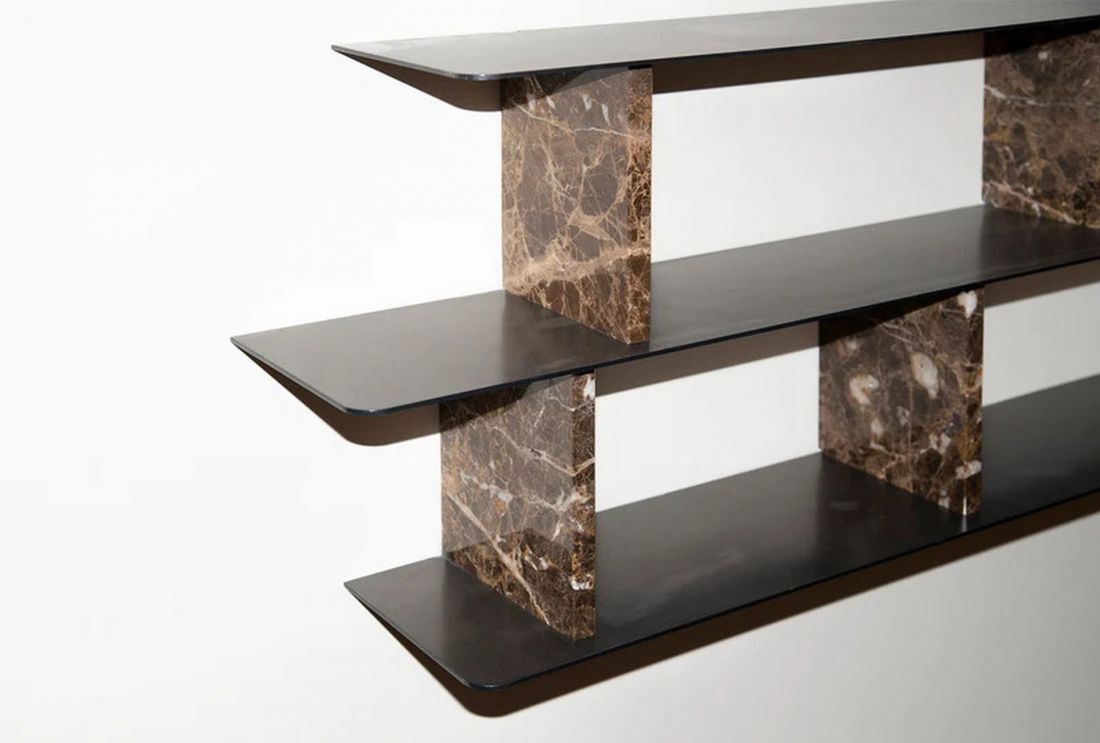
The steel shelf designed by NG Design is visually light thanks to its thin horizontal lines. The horizontal lines are broken up by vertical marble elements.
Photo: ONI Studio
Take your pick, choose your color
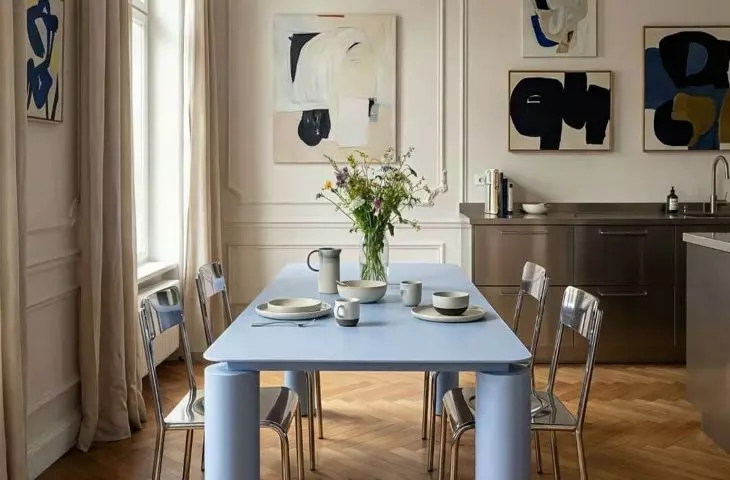
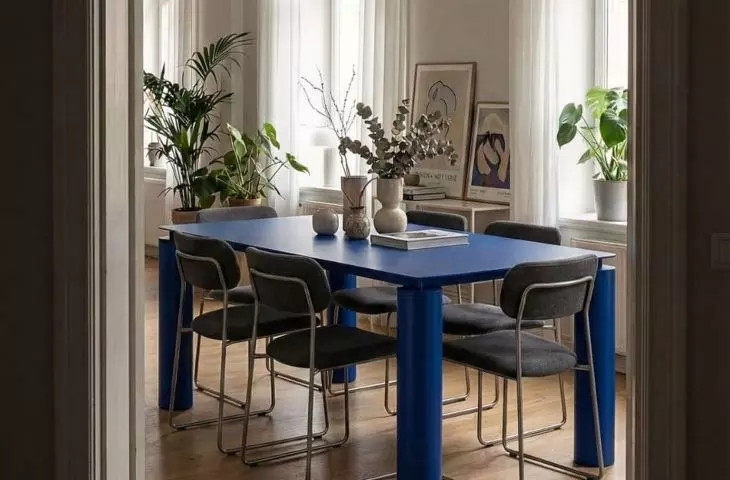
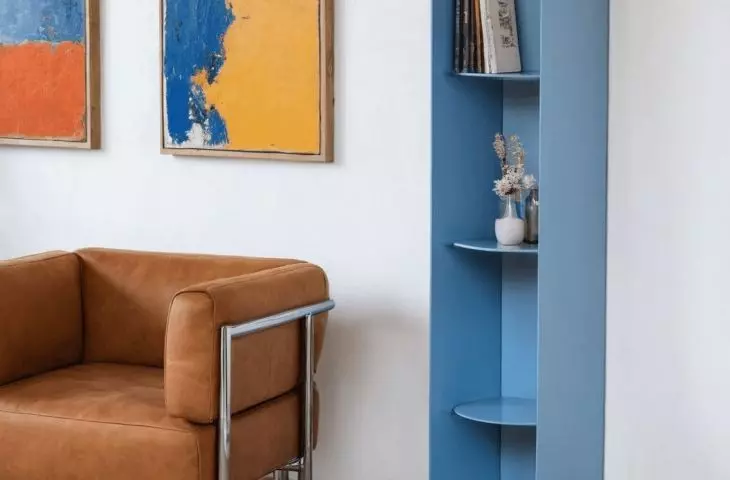
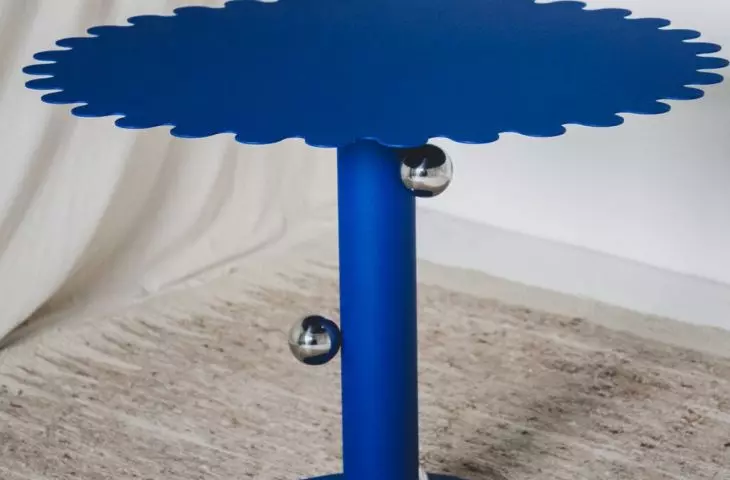
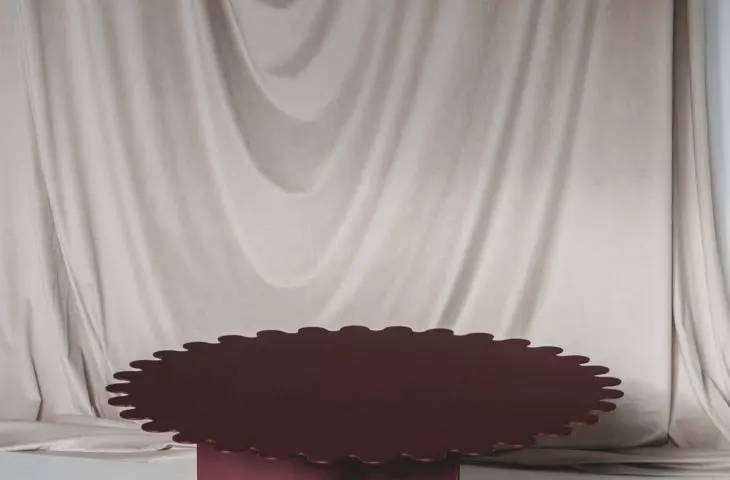
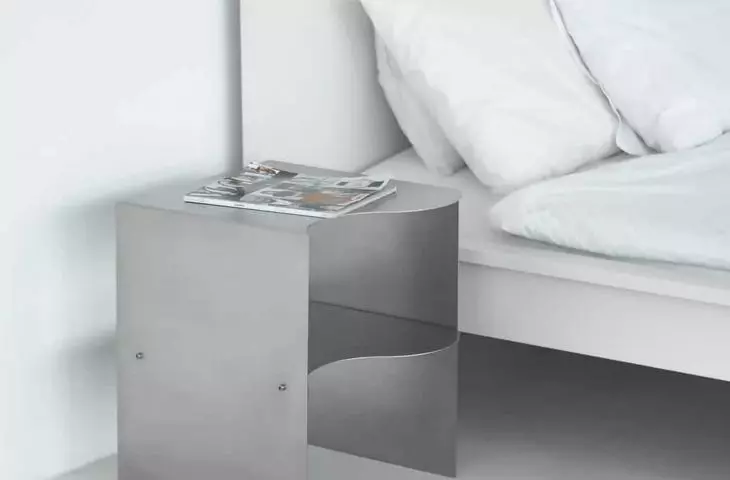
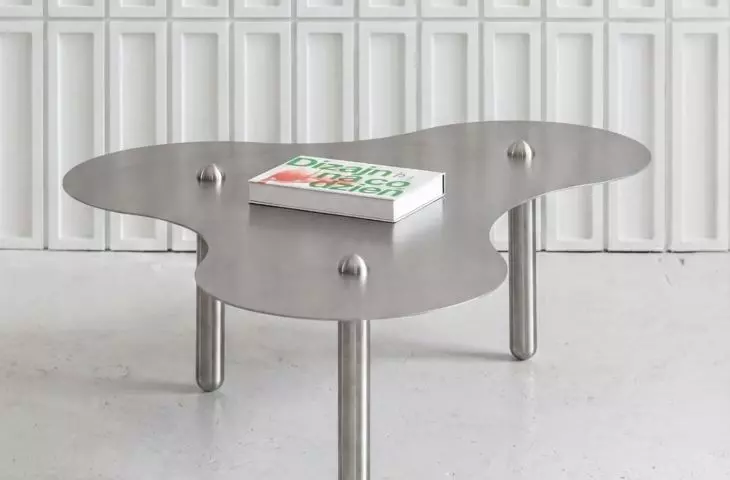
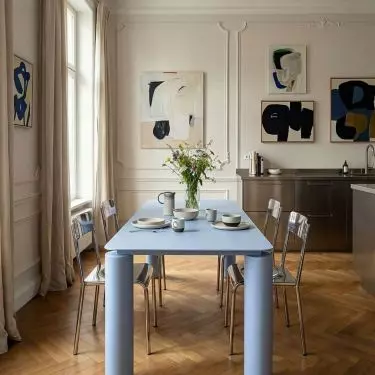
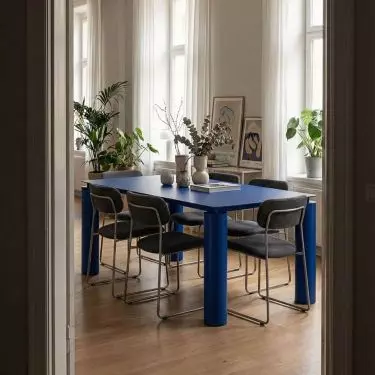
Steel doesn’t have to stay “steel.” One of the most interesting ways to use it is through color —which can be changed, for example, through powder coating. Intense cobalt, burgundy, or deep red completely transform the perception of a metal piece of furniture. Instead of a cool, technical material , we get a striking decorative element that can serve as the main focal point in an interior. Colored steel can be paired with equally bold elements or, conversely, stand out against a calm, neutral backdrop.
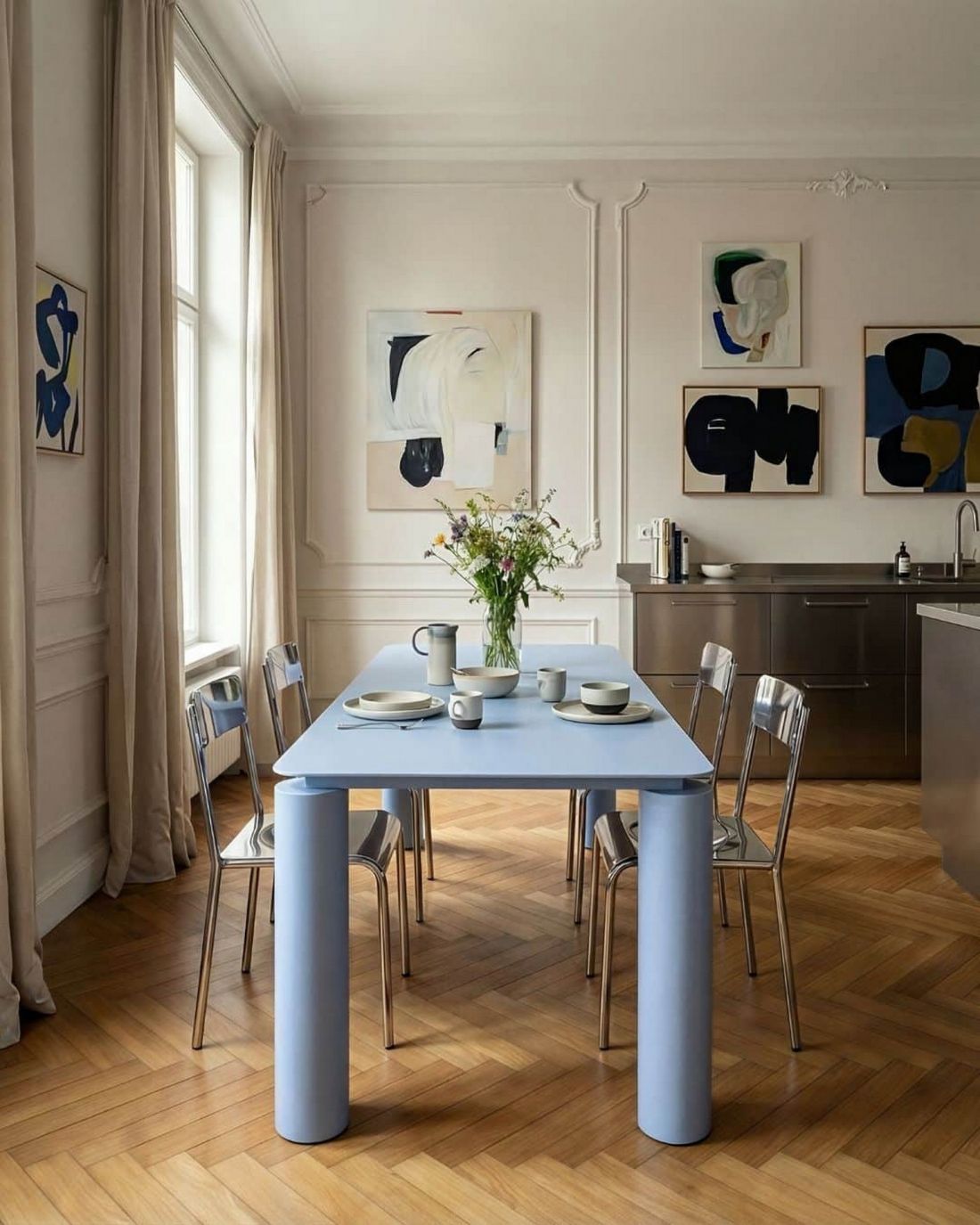
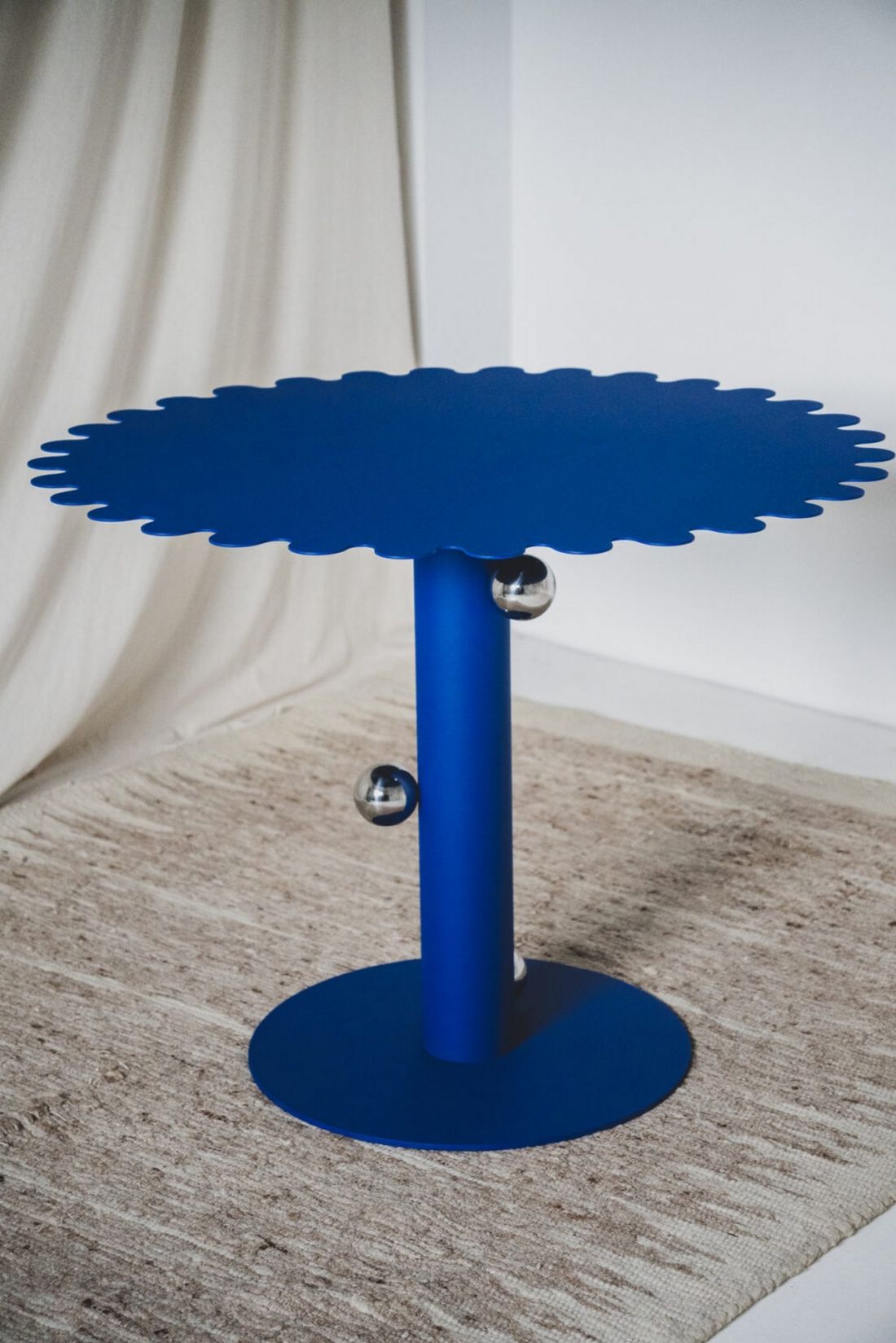
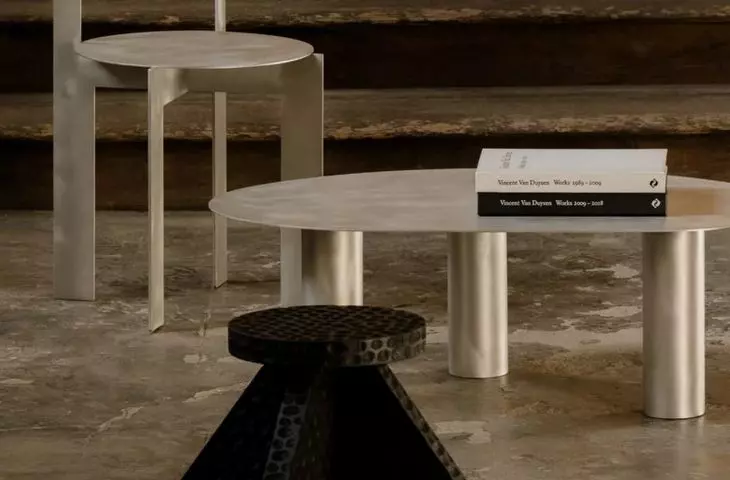
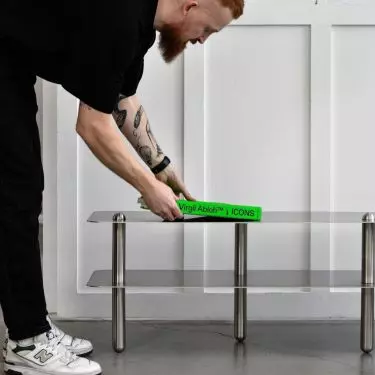
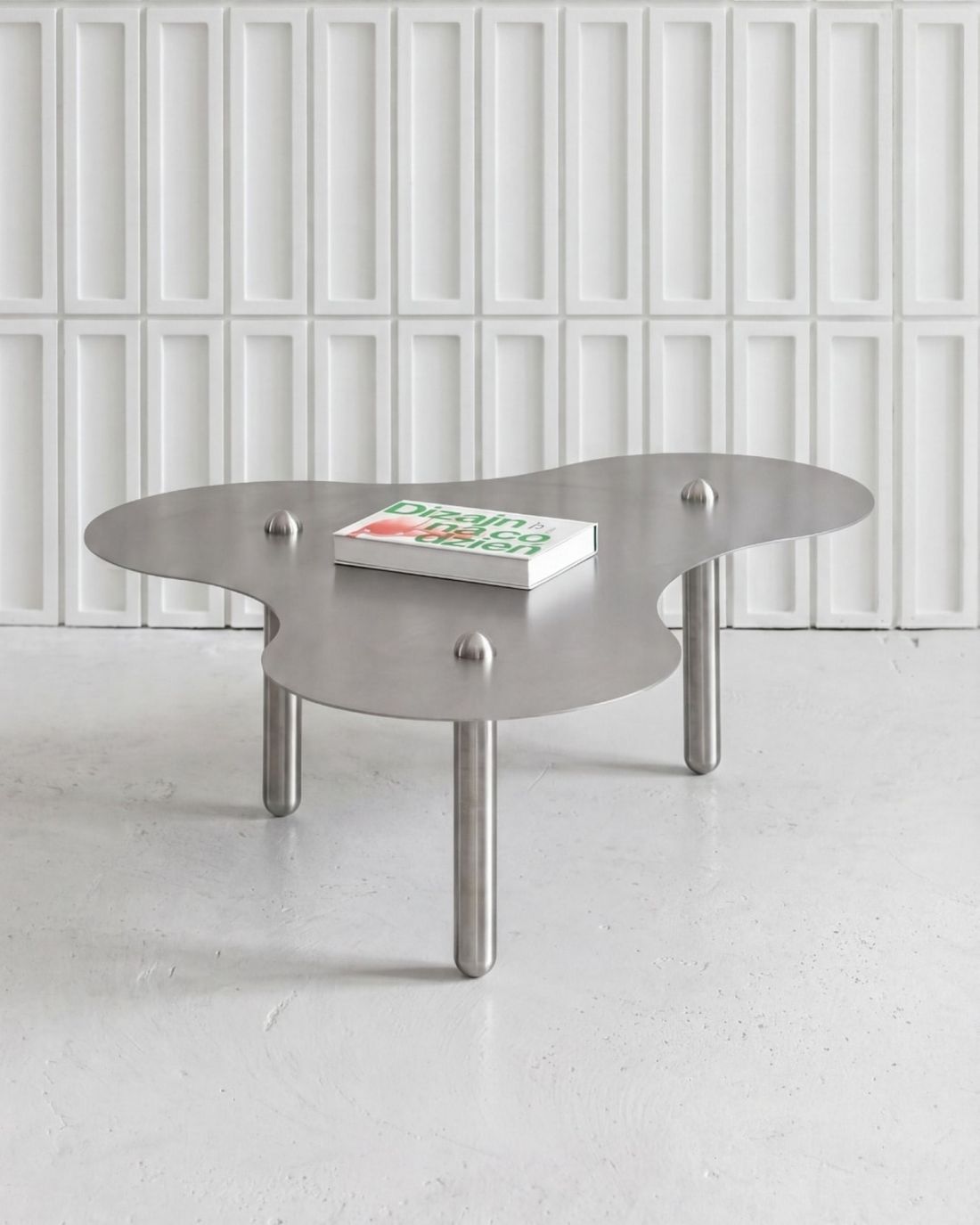
A large table designed by NC Form and a small side table designed by Unikat Studio
Photo 1: NC Form; Photo 2: Unikat Studio
Steel Loves Company
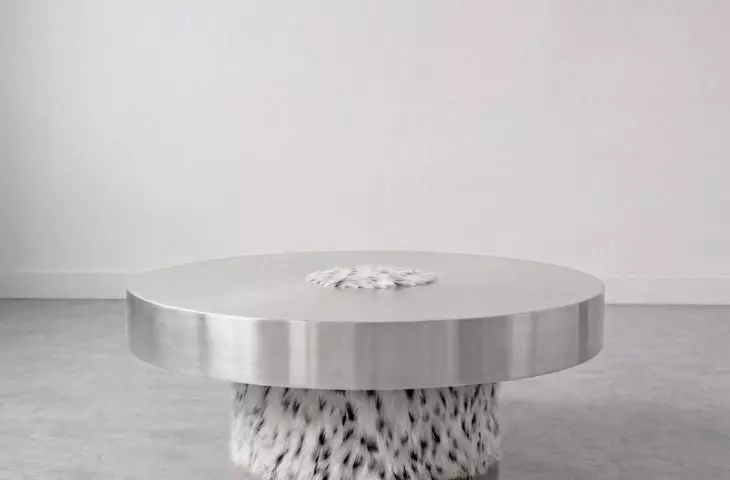
This material can also be surprisingly cozy—it all depends on what we pair it with. Wood softens its cool character, and pairing it with fabrics, fur, or soft upholstery creates an interesting contrast between the raw quality of metal and the homey feel of the interior. It is precisely in such combinations that steel reveals its less obvious side. The smooth, cool surface of the metal meets the softness of wood, wool, or plush fabrics, making the design more sensual and multi-layered. Sometimes all it takes is a small steel table paired with a soft, furry element to create a contrast and an element of surprise that immediately catches the eye.
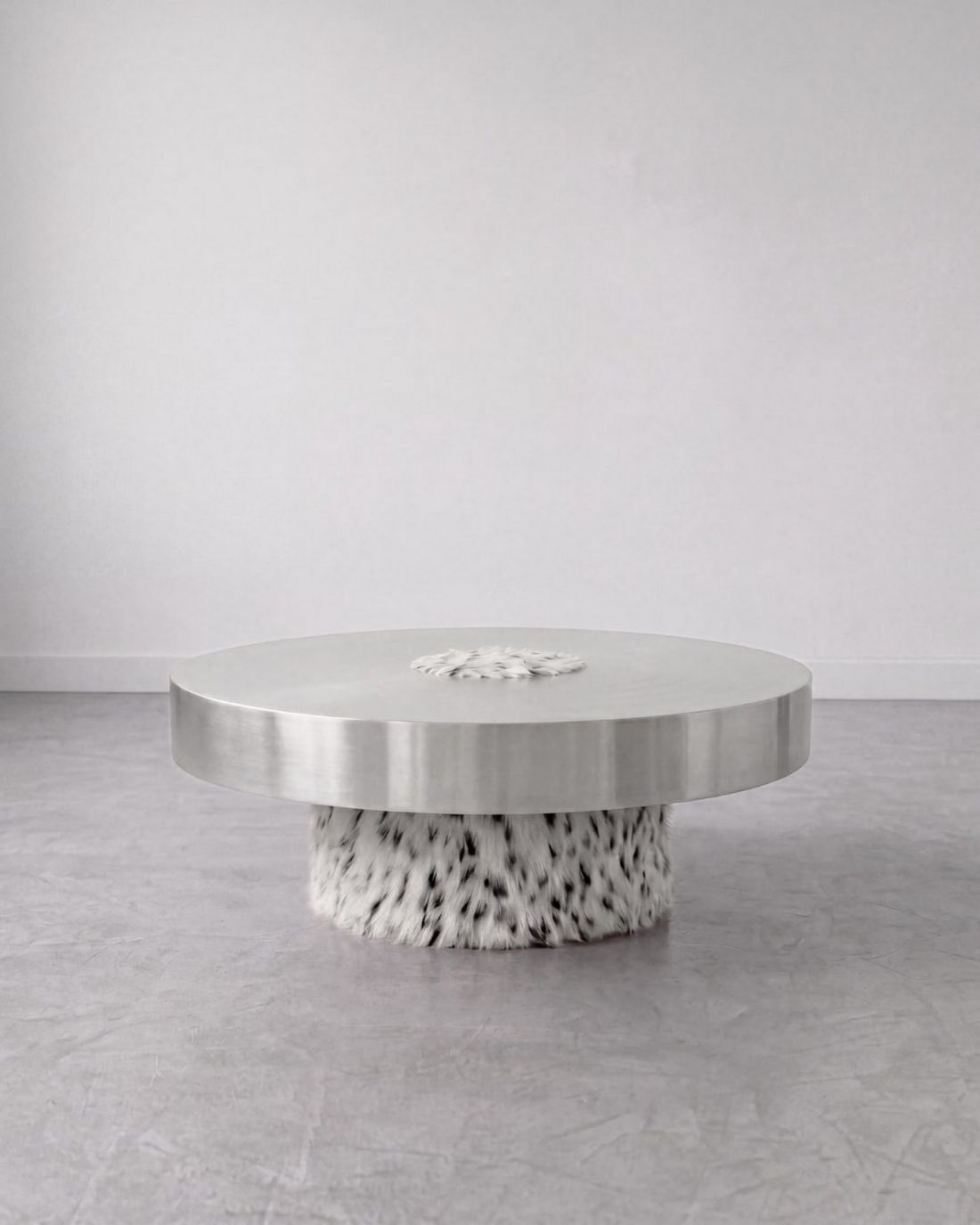
A very unconventional solution employed by NC Form is the use of fur within a piece of furniture.
Photo: NC Form
When a Chair Becomes a Monument
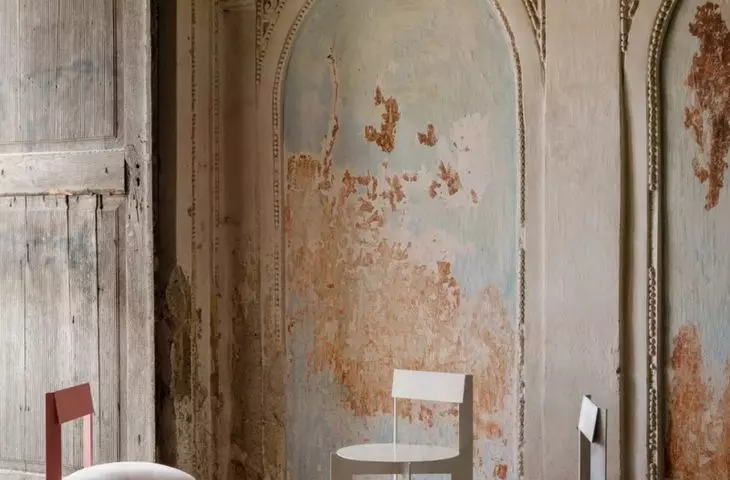
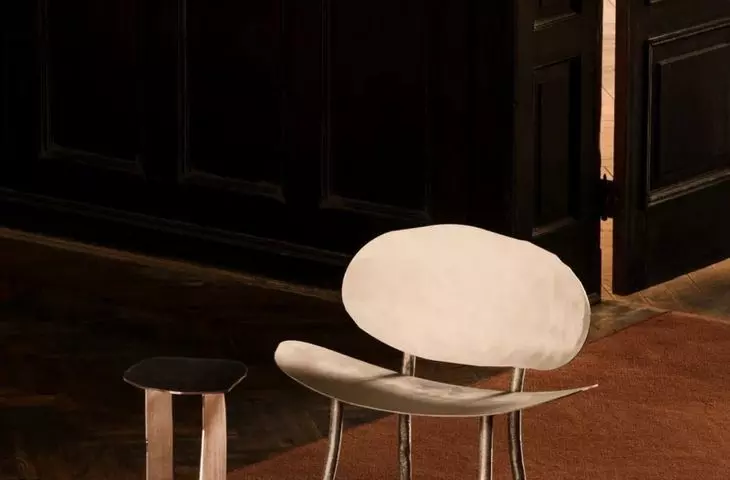
Can a piece of furniture be both a functional object and a work of art? In the case of steel forms, the line between the two can become very blurred. A chair with a well-designed, sculptural silhouette can become almost like a monument within an interior—retaining its function while simultaneously shaping the character of the entire space. The malleability of steel allows for the creation of organic, irregular shapes, softly curved seats, rounded backs, and unconventional bases. In this form, the chair ceases to be merely one of many pieces of furniture. It becomes an object that immediately catches our attention— much like a sculpture or a work of art.
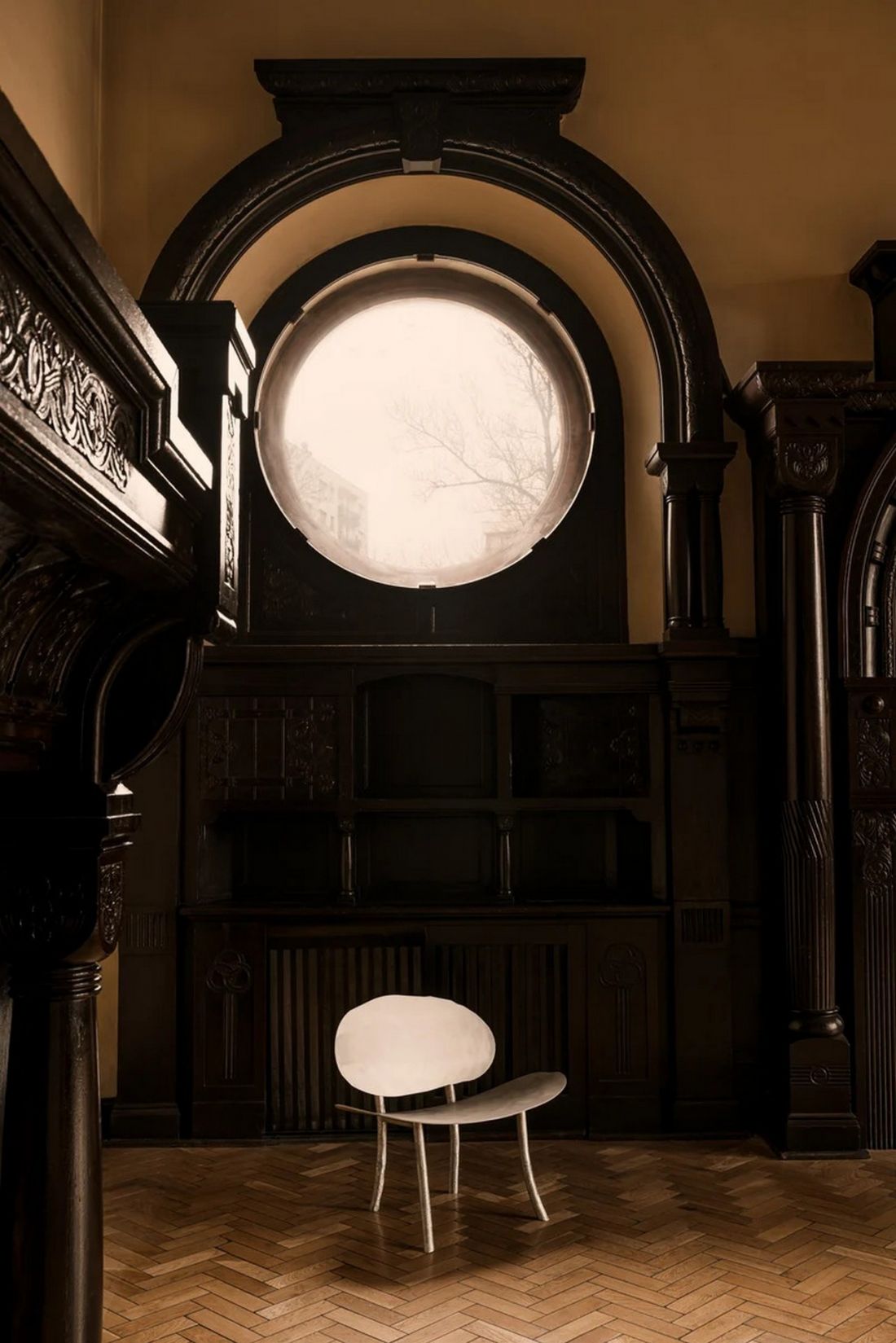
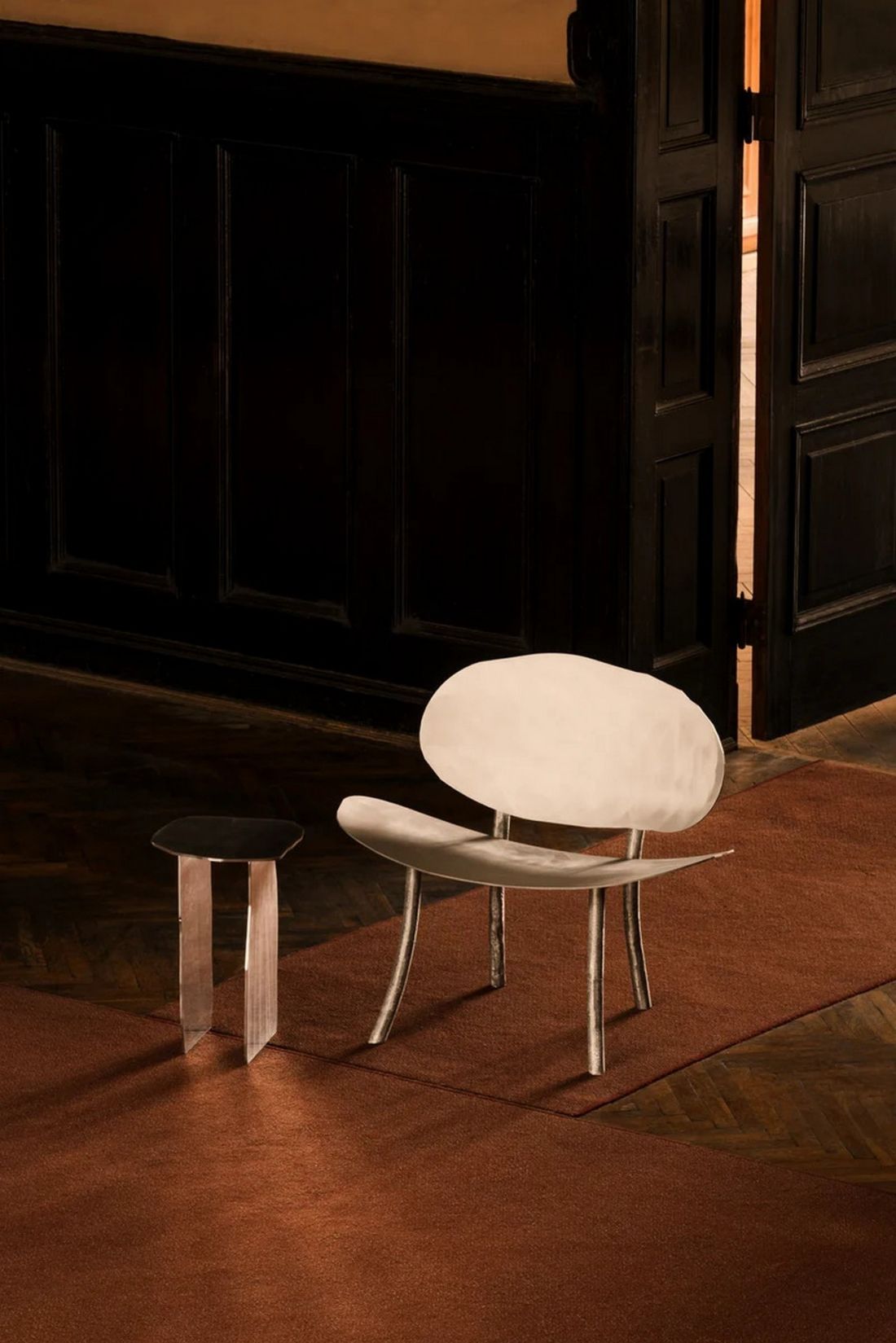
The NG Design chair, with its irregular, light form, brings to mind a sculpture.
Photo: ONI Studio
Small forms, big impact
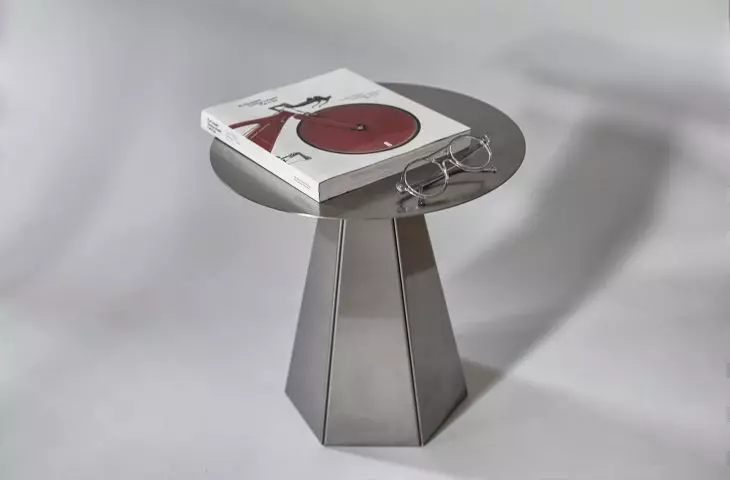
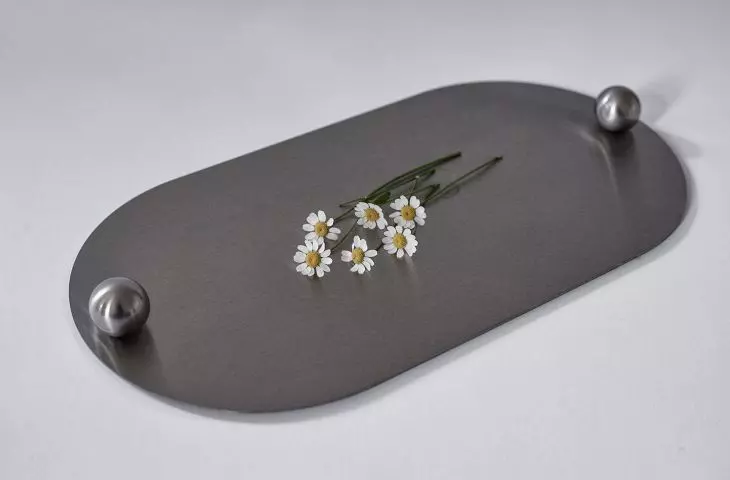
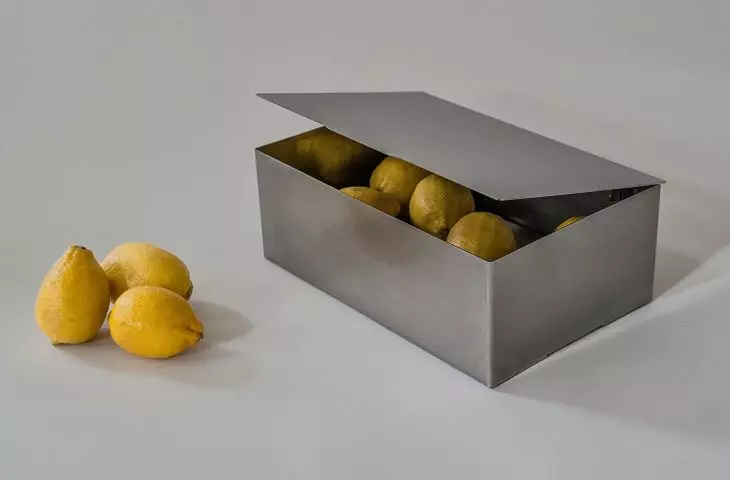
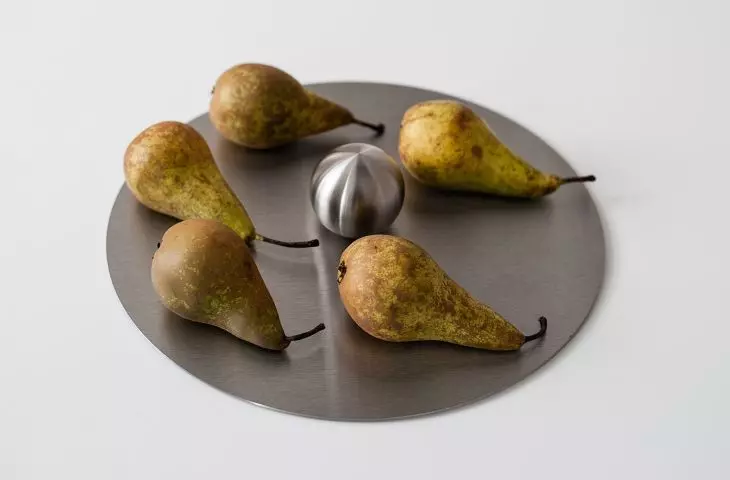
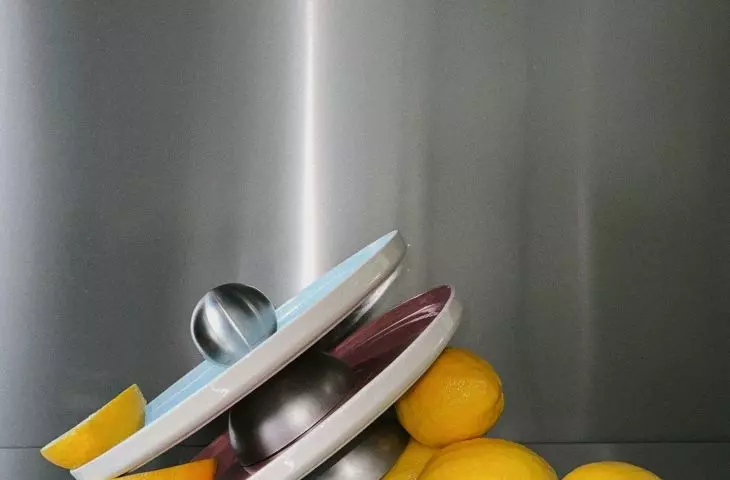
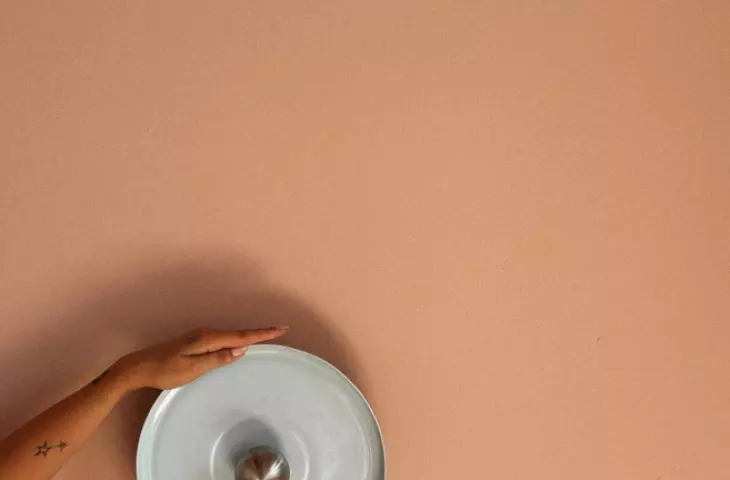
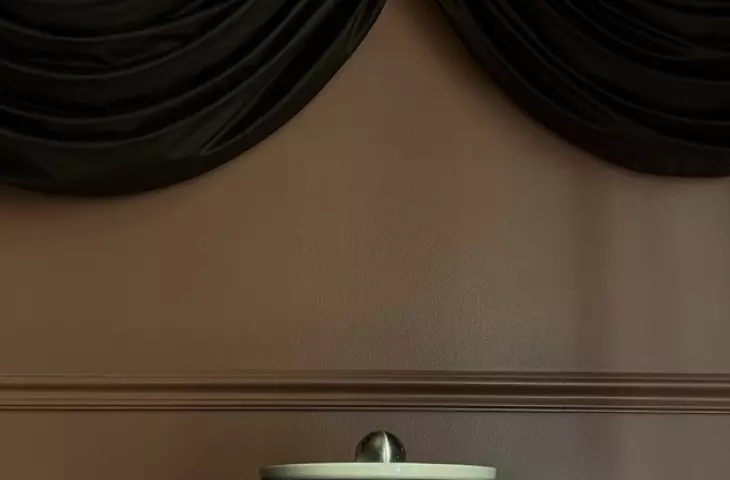
However, you don’t have to reach for a large piece of furniture right away to incorporate steel into your interior. Sometimes, a single small item —a platter or a box— is enough to give the space a completely different character. Steel accessories work great on tables, console tables, and shelves, where they can serve as standalone decorations or as a base for other elements. Their form doesn’t have to be obvious. A simple steel tray can be transformed into an arrangement featuring flowers, fruit, or a single decorative detail, while a small metal sphere can give it a more sculptural character. Combinations of steel with other materials— such as ceramics —also look interesting, as they soften its cool character and add an extra layer to the composition. This is the power of small accessories: they don’t require major changes, yet they can significantly influence how an interior is perceived. A single striking platter on the table or a small metal object placed on a shelf can be enough to give a calm arrangement a more distinctive, designer touch.
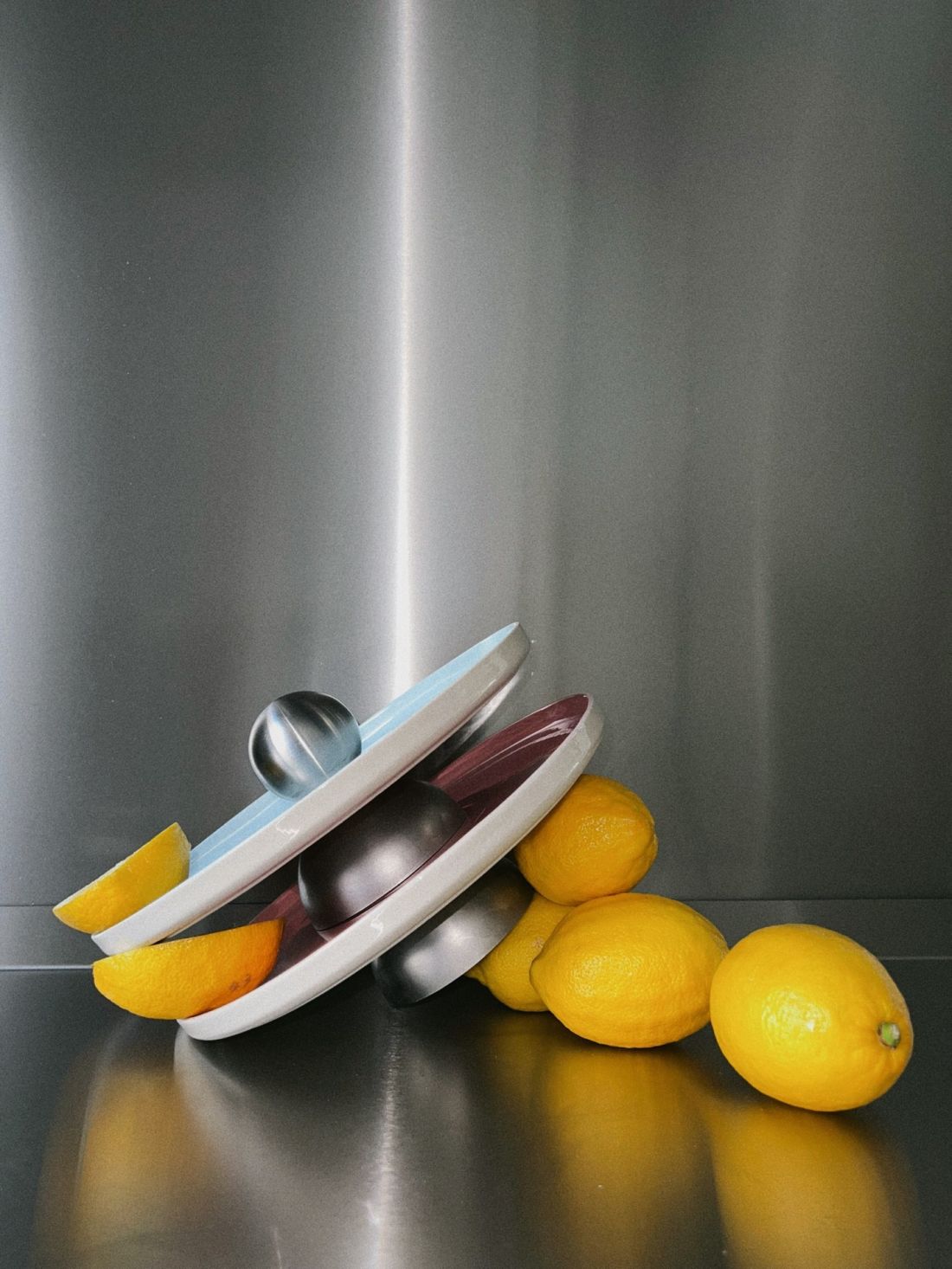
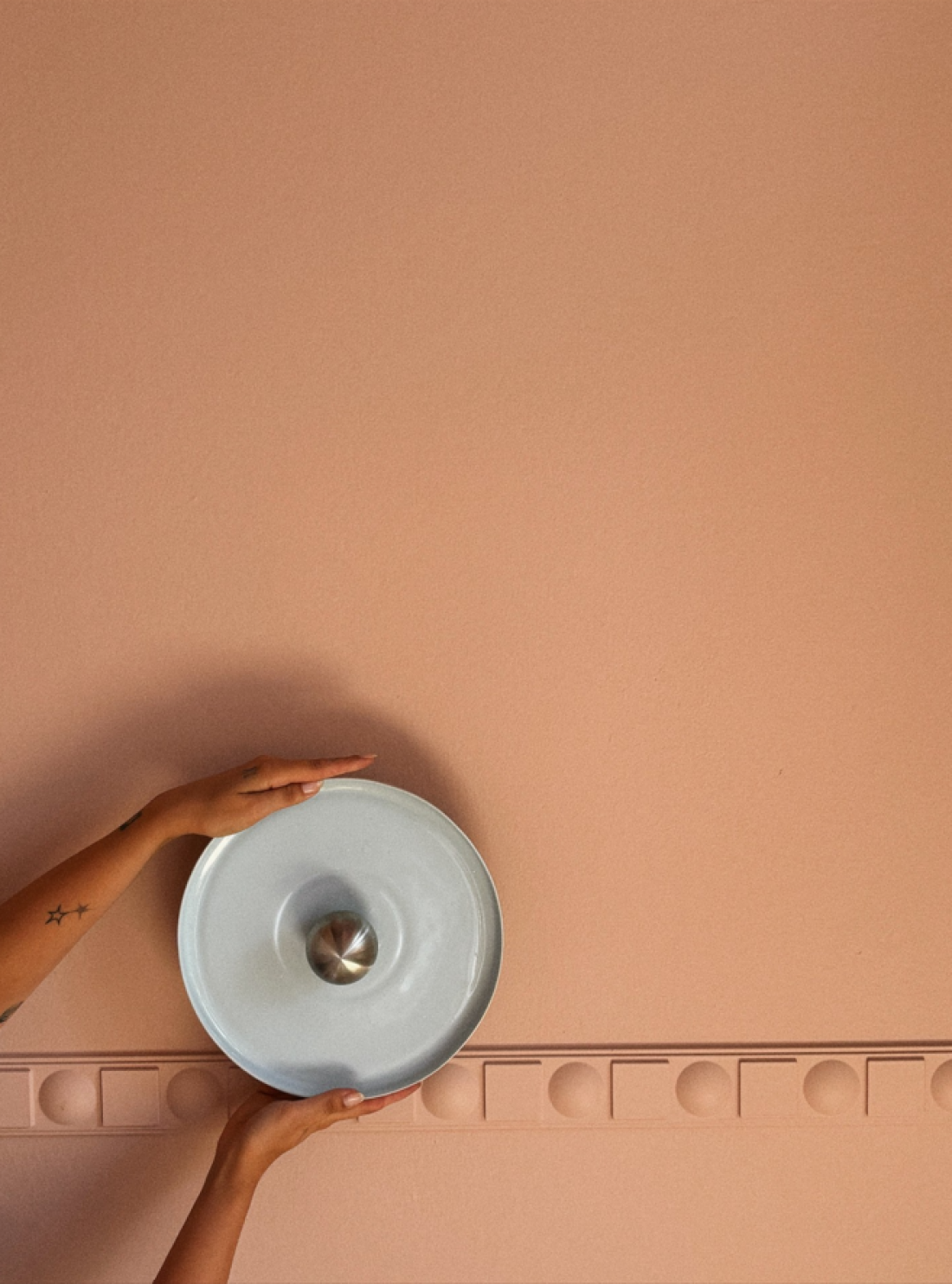
The serving platters designed by Nity Design and Krusz Ceramika demonstrate that steel doesn’t have to be used on its own.
Photo: Nity Design, Krusz Ceramika
Light Also Loves Steel
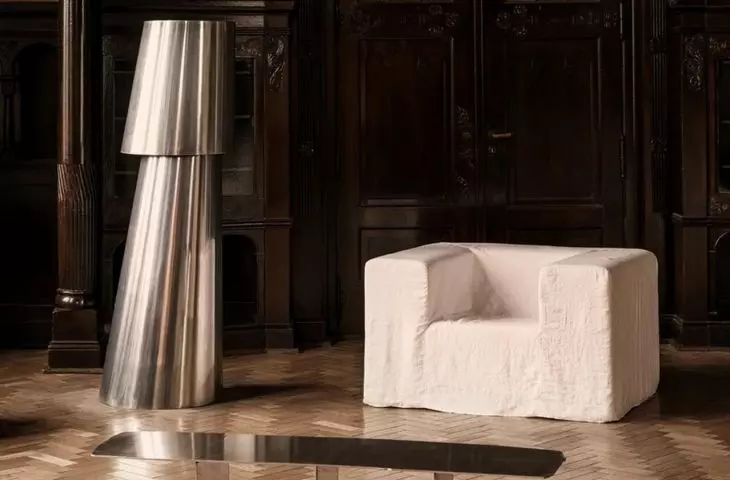
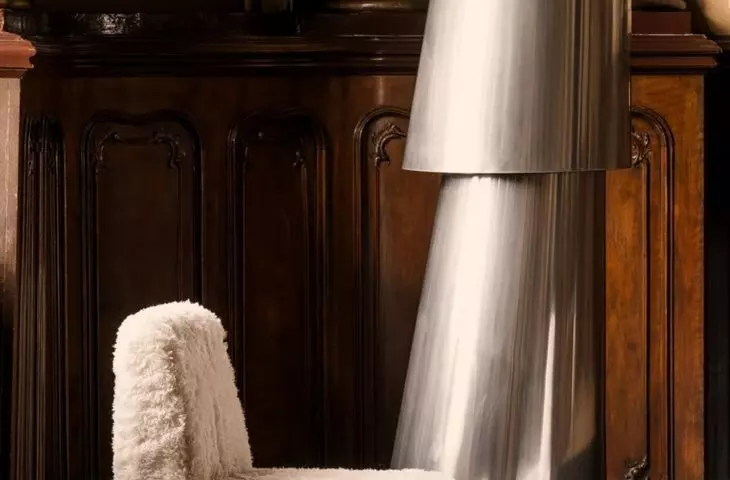
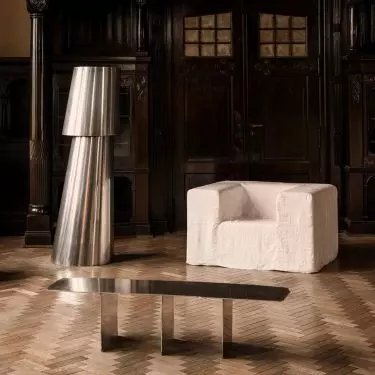
Steel also works wonderfully in lighting, where its properties can become part of the overall composition. Metal strongly reflects light, so a steel lamp can create subtle reflections on its surface and change its appearance depending on the angle of the light. It looks particularly striking when paired with warm-toned light. The cool sheen of the metal is then softened by soft, golden reflections, and the steel takes on a completely different, cozier character. Light reflects off its surface, spreads throughout the surroundings, and becomes part of the decor itself. And when we combine the play of light with the lamp’s sculptural form, the effect can be truly spectacular. During the day, the metal draws attention with its form and sheen, and in the evening, it begins to interact with the light in new ways. The same object can thus change its character depending on the time of day—and that is precisely where its greatest strength lies.
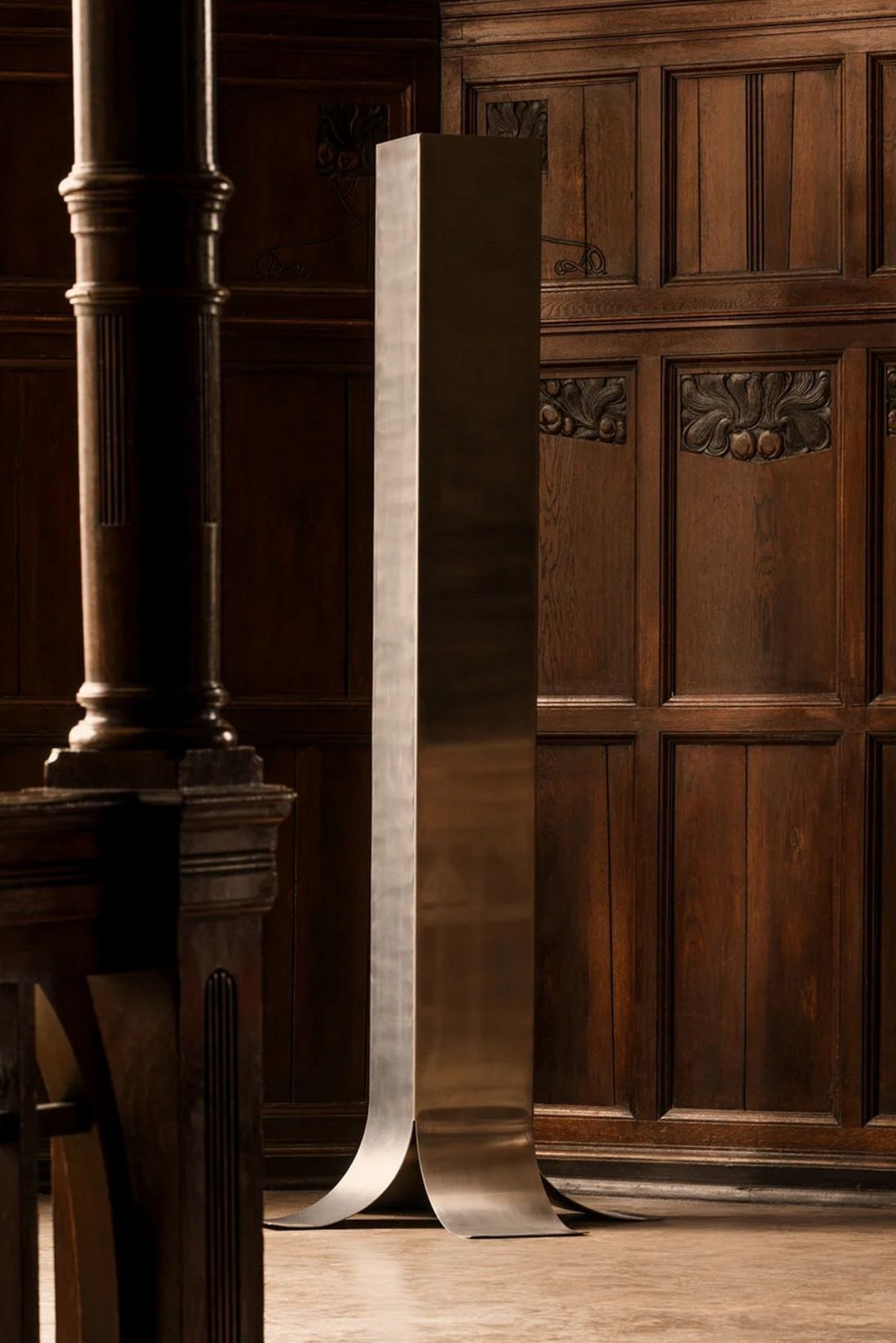
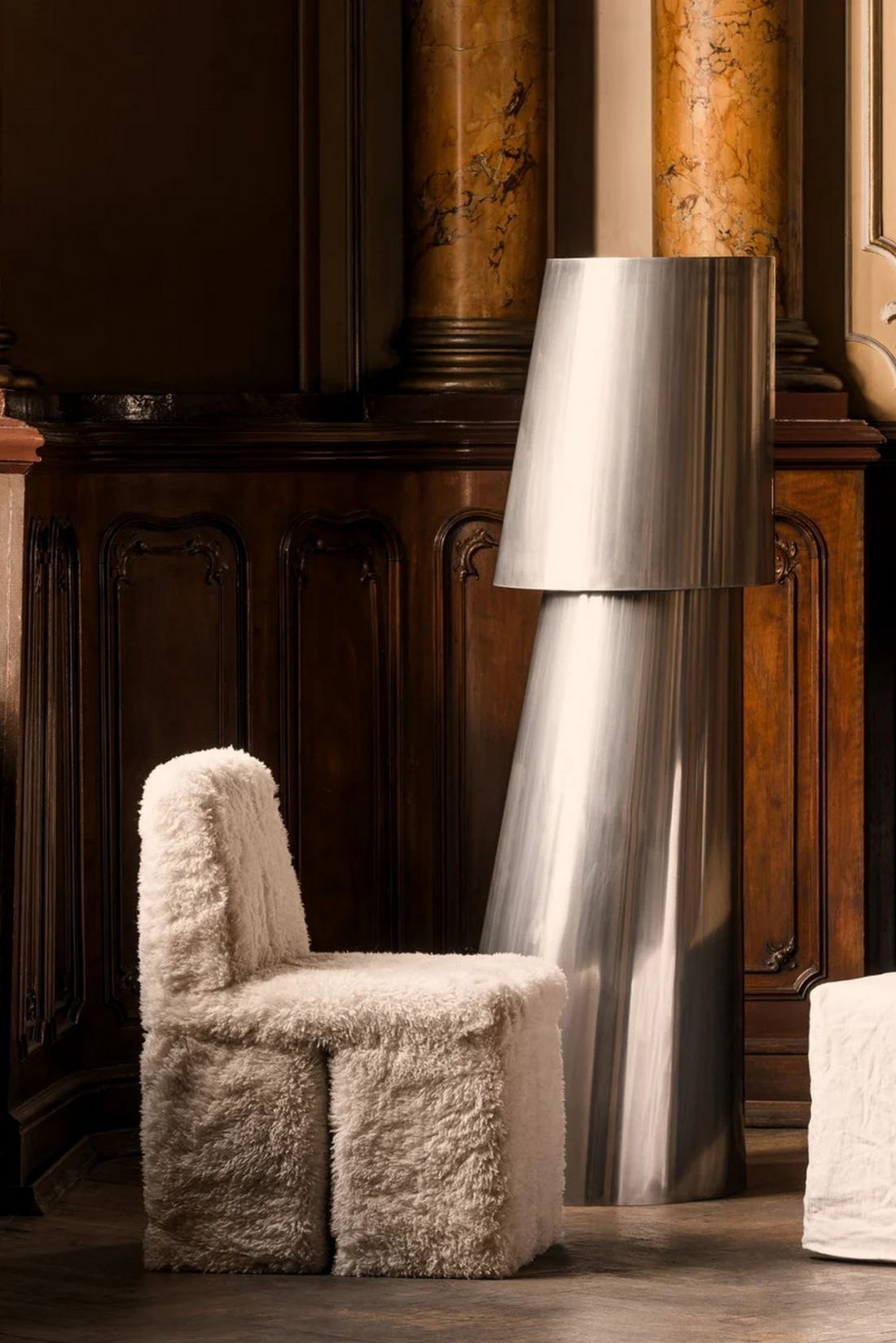
Despite their minimalist design, the lamps by NG Design are powerful in their expression.
Photo: ONI Studio
Metal with a “wow” factor
As our examples show, steel can surprise you. It can be almost invisible when used in a lightweight structure, or, conversely, become the sculptural centerpiece of an entire interior. It works well alongside wood and soft fabrics, as well as with ceramics, color, and light. And it is precisely this versatility that allows steel to increasingly break free from industrial conventions, becoming one of the most intriguing materials in contemporary design.